

Do Healthy Meal Boxes Help With Weight Loss?
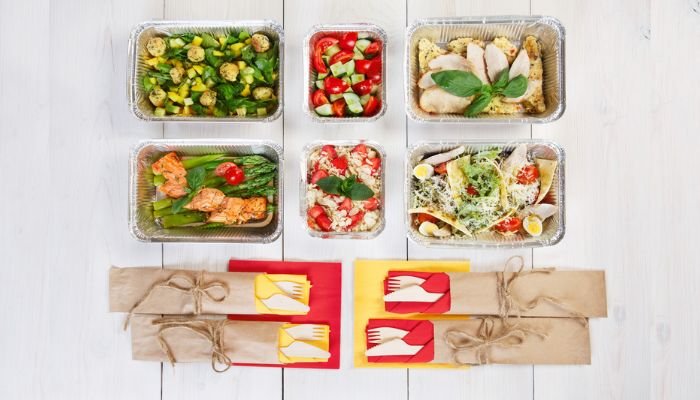
Yes, healthy meal boxes can help you lose weight when they give you pre-portioned meals with lean protein, fiber-rich vegetables, and controlled calories. They work because they remove guesswork: the portions are set, the ingredients are planned, and you are less likely to order takeout when a ready meal is already in your fridge. The best weight loss meal box for you is the one that fits your calorie needs, your food preferences, and your budget, and that you can realistically stick with for months, not days.
Key takeaways
- Weight loss still comes from a sustained calorie deficit. A meal box is a tool that makes that deficit easier to hit.
- Look for 25 to 40 grams of protein, at least 5 grams of fiber, and moderate sodium in each main meal.
- Prepared (heat-and-eat) boxes are the easiest. Meal kits teach cooking skills. DIY meal prep boxes are usually the cheapest.
- Check the full nutrition label. “Healthy” on the box is a marketing word, not a guarantee.
- Pair your boxes with sleep, movement, and a plan for weekends and eating out.
What Are Healthy Meal Boxes for Weight Loss?
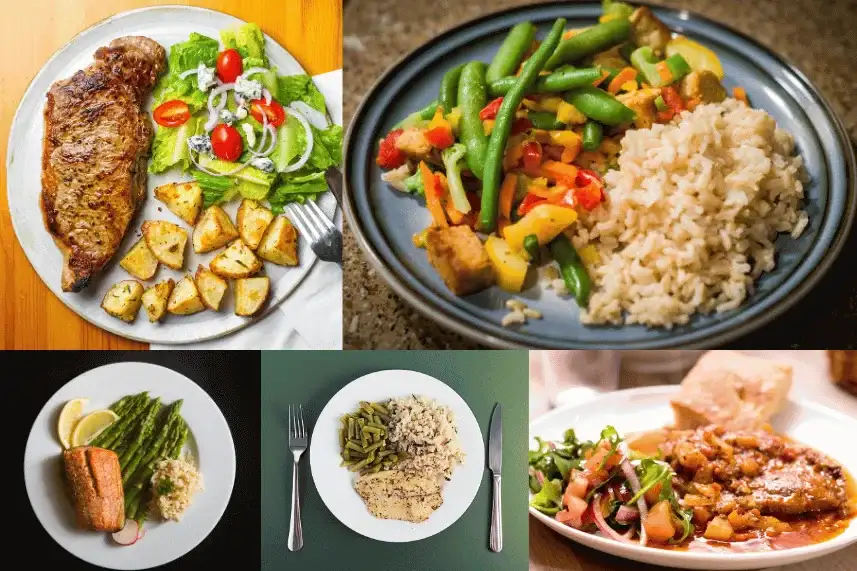
A healthy meal box is a set of meals delivered to your door, or packed by you at home, that is built around balanced portions. For weight loss, the meals are usually designed around a calorie range, often about 300 to 600 calories per main meal, with a focus on protein, vegetables, and whole-food carbohydrates.
There are three main types:
- Prepared meal delivery: fully cooked meals you reheat in a few minutes.
- Meal kits: pre-measured ingredients and a recipe, and you do the cooking.
- DIY meal prep boxes: meals you plan, cook, and portion into containers yourself.
Do Meal Boxes Actually Work for Weight Loss?
They can. Most people struggle with weight loss not because they do not know what to eat, but because of portion sizes, busy schedules, and last-minute food decisions. Meal boxes tackle those three problems directly.
Here is why they tend to work:
- Portion control is built in. You eat what is in the box, not what is left in the pot.
- Fewer decisions. Decision fatigue is real, and a ready meal beats a drive-through at 7 pm.
- Predictable calories. When you know roughly what each meal contains, tracking becomes much easier.
- Less food waste and fewer impulse buys.
The honest caveat: a meal box does not cancel out snacks, sugary drinks, or large weekend meals. A common rule of thumb is that a deficit of about 500 calories per day leads to roughly one pound of loss per week, but individual results vary. Your age, body size, activity level, sleep, and medical conditions all matter. If you have a health condition or take medication, talk to your doctor or a registered dietitian before changing your diet.
What to Look for in a Weight Loss Meal Box
Use this checklist when comparing any meal box service or building your own.
| Feature | What to aim for | Why it matters |
|---|---|---|
| Calories per meal | About 300 to 600 for lunch and dinner, adjusted to your needs | Keeps your daily total in a deficit without leaving you starving |
| Protein | 25 to 40 g per main meal | Protein keeps you full and helps protect muscle while you lose fat |
| Fiber | 5 g or more | Fiber slows digestion and supports fullness |
| Added sugar | As low as possible, ideally under 8 to 10 g | Hidden sugar in sauces and glazes adds up fast |
| Sodium | Ideally under about 700 mg per meal | Many prepared meals are very high in sodium, which can cause bloating and water retention |
| Vegetables | Half the plate or more | Adds volume and nutrients for few calories |
| Ingredient quality | Whole foods, short ingredient list | Less processed food is easier to digest and more filling |
| Flexibility | Skip weeks, swap meals, cancel anytime | Makes the plan sustainable |
These are general guidelines, not medical advice. Your own targets may be higher or lower.
Which Type of Meal Box Is Best for You?
| Type | Best for | Pros | Cons |
|---|---|---|---|
| Prepared meals | Busy schedules, beginners, people who dislike cooking | Fastest option, clear portions and nutrition info | Often the most expensive, can be high in sodium, less variety over time |
| Meal kits | People who enjoy cooking and want to learn | Fresh ingredients, teaches portion sizes and technique | Takes 20 to 40 minutes per meal, some recipes use a lot of oil or cream |
| DIY meal prep boxes | Budget-conscious people who want full control | Cheapest per meal, fully customizable | Needs weekly planning, shopping, and cooking time |
| Diet-specific boxes (low-carb, Mediterranean, plant-based, high-protein) | People following a particular eating style or dietary need | Built around your preferences or restrictions | Quality varies, so always read the label |
If you are not sure where to start, try a short plan or a trial week of one type and see how you feel. Hunger, energy, and how easy it is to keep going are more useful than any marketing claim.
How to Build Your Own Healthy Meal Box at Home
My own experience: When I lost 4 kg in 4 weeks while staying strong and fit, the biggest help wasn’t a special diet. It was planning my meals ahead. I usually prepare my boxes on Sundays, and my go-to combination is grilled chicken, chickpeas and roasted vegetables.
The mistake I made at first was overeating at night, especially sweet things. What fixed it was meal prep. When my meals are already ready, I don’t go out for groceries and pick up something unhealthy, and on busy days I don’t end up eating unhealthy food without realizing it. Having food ready leaves no room to skip meals or cheat, and it keeps my mind calm and my cravings lower.
If you’re starting out, start small and build up. Prep only breakfast for the next 5 days. Then add lunch for 2 days, then dinner for 2 days. After that, prep breakfast and lunch for the whole week, and then go for the full-week plan.
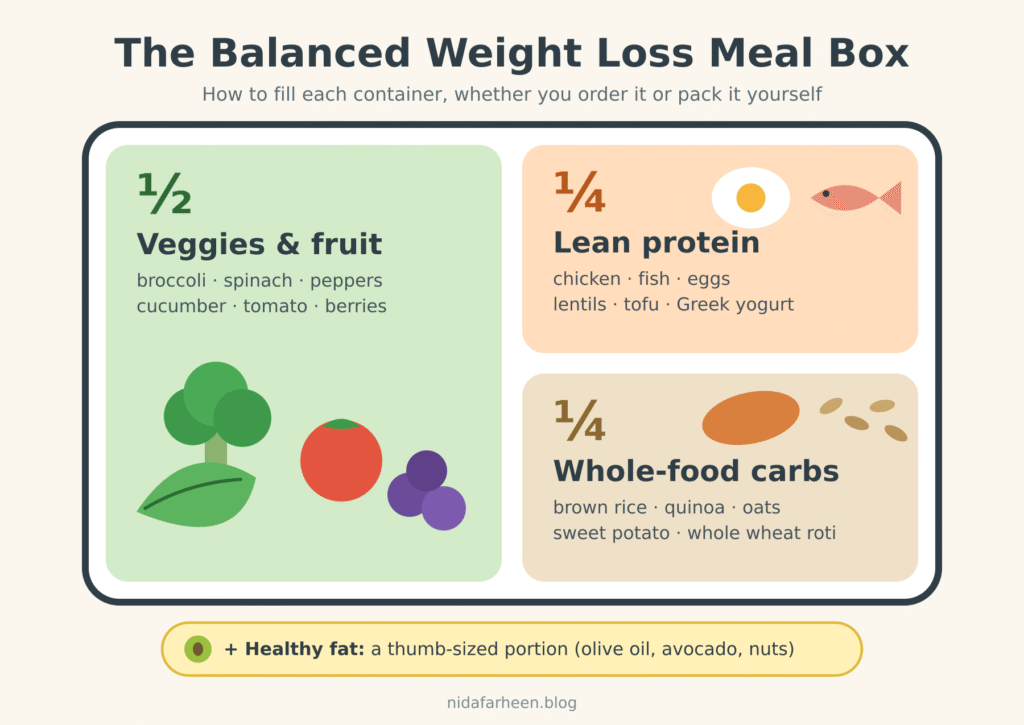
A DIY box is the most affordable way to eat for weight loss, and you control every ingredient. Use this simple formula for each container:
- Half the box: non-starchy vegetables such as broccoli, spinach, peppers, cucumber, zucchini, or cauliflower.
- A quarter of the box: lean protein such as grilled chicken, fish, eggs, tofu, tempeh, lentils, or Greek yogurt.
- A quarter of the box: whole-food carbs such as brown rice, quinoa, sweet potato, oats, or whole wheat roti.
- A thumb-sized portion of healthy fat such as olive oil, avocado, nuts, or seeds.
- Flavor with low-calorie boosts such as lemon, garlic, herbs, spices, mustard, or a little yogurt-based sauce.
This follows the same logic as the Harvard Healthy Eating Plate, which recommends filling about half your plate with vegetables and fruit and choosing whole grains and healthy protein.
5 Easy Healthy Meal Box Ideas for Weight Loss
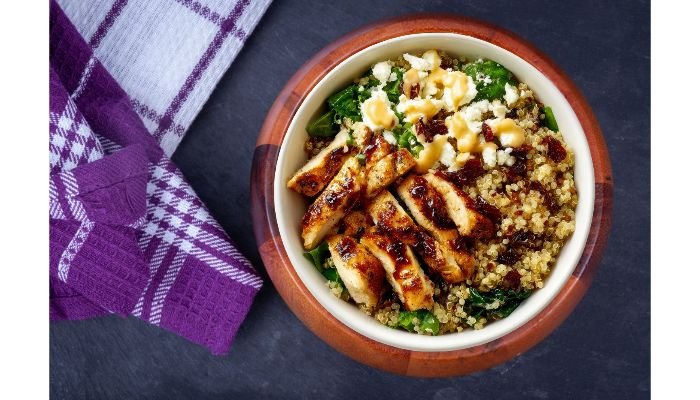
- Chicken and quinoa power box: glazed grilled chicken breast, quinoa, sautéed spinach, sun-dried tomatoes, and a little crumbled cheese.
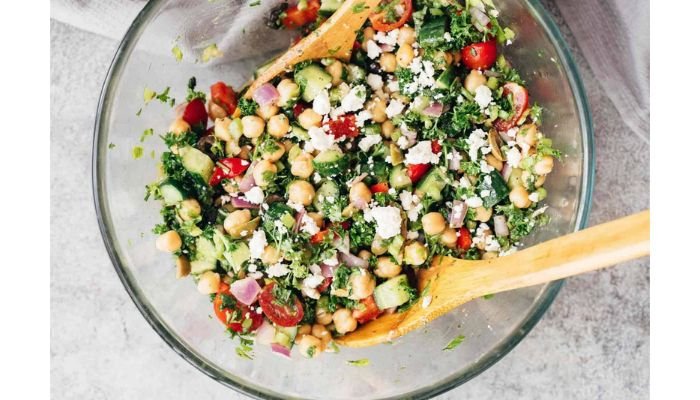
- Mediterranean chickpea box: chickpeas, cucumber, tomato, red onion, fresh parsley, and a little feta.
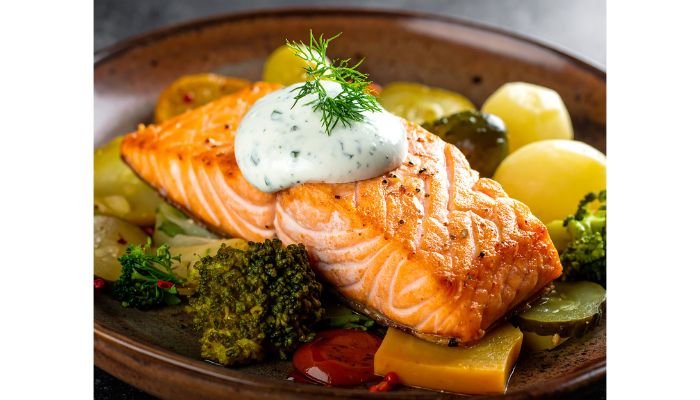
- Salmon and potato box: baked salmon, boiled baby potatoes, steamed broccoli, and a spoon of dill yogurt sauce.
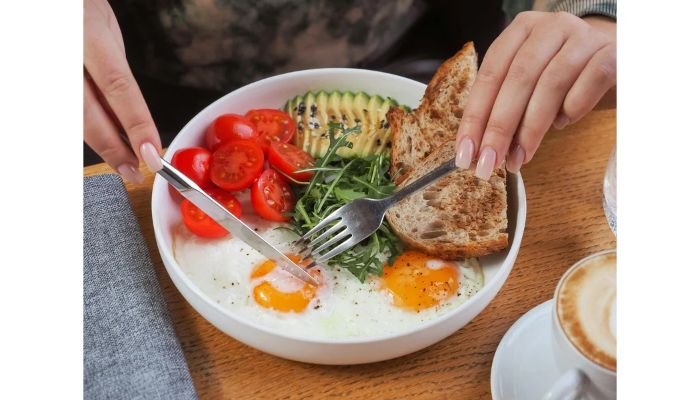
- Egg and avocado breakfast box: two eggs, sliced avocado, cherry tomatoes, arugula, and a slice of whole grain toast.
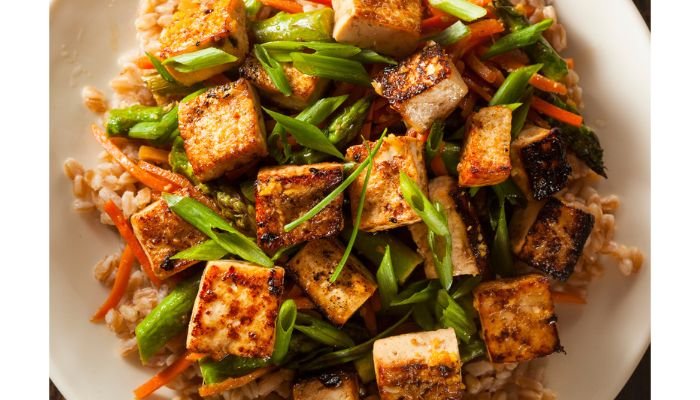
- Tofu stir-fry box: crispy tofu, green beans, carrots, and scallions with a small portion of brown rice and a light soy-ginger sauce.
Meal Prep Tips That Save Time
- Pick one or two proteins, two or three vegetables, and one or two carbs each week, then mix and match.
- Cook in batches on one or two days, and portion into containers right away.
- Store cooked meals in the fridge for about three to four days, and freeze the rest for later in the week.
- Keep sauces separate so your food does not get soggy.
- Use glass containers with compartments if you like clear portions.
Red Flags to Avoid in Meal Box Plans
Not every box labeled “healthy” or “diet” is a good choice. Be careful if you see:
- Very low calorie promises (such as extreme daily totals) that would leave you tired, hungry, and likely to rebound.
- Sodium well above your needs in most meals.
- Small portions of protein and large portions of refined carbs, such as white pasta or white rice.
- Long lists of additives, sweeteners, or sauces high in sugar.
- Claims like “melt fat fast” or guaranteed results. Healthy weight loss is usually gradual.
- No nutrition information or allergen details available before you order.
Common Mistakes When Using Meal Boxes for Weight Loss
- Relying on the box alone. Snacks, drinks, and weekend meals still count.
- Skipping breakfast or snacks and then overeating at night. Plan all your meals, not just lunch and dinner.
- Not drinking enough water. Thirst is often mistaken for hunger.
- Ignoring sleep. Poor sleep can increase cravings and appetite. I explain this in my guide on why sleep and weight loss are connected.
- Choosing a plan you cannot keep up. The best plan is the one you can follow for months.
- Forgetting movement. A short routine like this 30 minute full body workout at home supports your results.
How to Get the Best Results From Your Meal Box Plan
- Start with a realistic goal, such as losing about half a pound to one pound per week.
- Add your own vegetables or a side salad to make meals more filling.
- Keep high-protein snacks ready, like Greek yogurt, boiled eggs, roasted chickpeas, or a handful of nuts.
- Track how you feel, not just the scale. Energy, sleep, and hunger levels tell you a lot.
- Have a plan for cravings. My tips on how to stop sugar cravings naturally can help.
- Support your metabolism with whole foods. See foods that boost metabolism.
- Stay accountable. Here is how to stay consistent on your weight loss journey.
- Compare eating styles in my guide to the best diet plans for weight loss.
Are Healthy Meal Boxes Worth the Money?
It depends on what you compare them to. Prepared meal boxes usually cost more than cooking at home, but often less than restaurant meals or delivery apps. If you currently eat out several times a week, a meal box can actually save money. If you already cook at home, DIY meal prep boxes will almost always be cheaper.
A simple way to decide: calculate your average cost per meal now, then compare it to the per meal cost of a box plan, including delivery fees. Then ask whether the time you save is worth the difference.
Frequently Asked Questions
There is no single best option for everyone. The best meal box has balanced portions, high protein, plenty of fiber, moderate sodium, and a calorie level that fits your goals. It should also match your food preferences and budget so you can stay consistent.
Many weight loss plans use about 300 to 600 calories per main meal, but your ideal range depends on your age, size, activity level, and goals. A registered dietitian can give you a number tailored to you.
Yes, many people do, because portion control and convenience make it easier to eat in a calorie deficit. Results depend on the overall plan, including snacks, drinks, and physical activity.
Usually yes. Cooking and portioning meals at home is typically the lowest cost option, though it takes planning and time.
A common target is about 25 to 40 grams per main meal. Protein helps you feel full and supports muscle while you lose fat.
Most cooked meals stay good for about three to four days in the fridge when stored in airtight containers. Freeze extras if you will not eat them in time.
Yes. Prepared meals and meal kits are a simple way to learn what balanced portions look like, so you can eventually build your own meals with confidence.
Exercise is not required to lose weight, but it helps preserve muscle, improves mood and sleep, and supports long term maintenance.

Make Healthy Meal Boxes Work for You
Healthy meal boxes for weight loss work best when they make good choices easy: balanced portions, enough protein and fiber, and food you actually enjoy eating. Start with the type that fits your time and budget, read the nutrition label carefully, and build habits you can keep. Whether you order a box or pack your own, consistency matters more than perfection.
About the author: Nida Farheen is a fitness trainer and yoga expert with 10+ years of practice. She shares practical, research-backed tips on healthy eating, weight loss and wellness at nidafarheen.blog.
Disclaimer: “This article is for general information only and is not medical advice. I am not a registered dietitian, so please speak with a doctor or dietitian for advice that fits your health needs, especially if you are pregnant, have a medical condition, or take medication.”
Sources: