

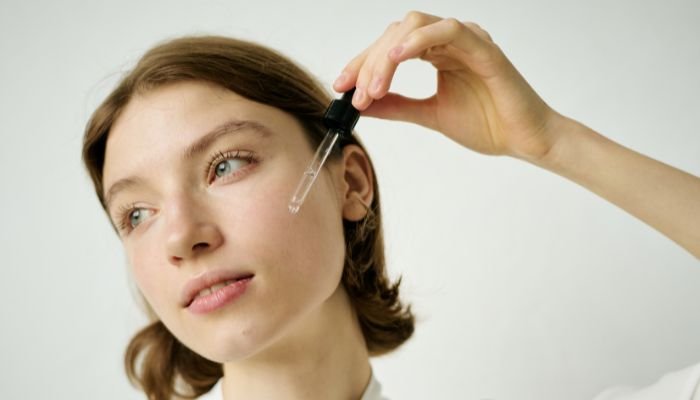
If retinol causes irritation, peeling, or long-term sensitivity, you are not alone. Although retinoids are effective for wrinkles, acne, and uneven skin tone, many people actively search for gentler, non-retinoid alternatives that still deliver visible results.
This guide explains 13 natural and dermatologist-approved retinol alternatives that support collagen production, improve skin texture, reduce dark spots, and help with acne, without the common side effects of retinol. The ingredients are reordered and grouped by benefit so the information is easier to understand and apply.
What Is the Best Natural Retinol Alternative?
Bakuchiol is widely considered the closest natural alternative to retinol. Studies show it improves fine lines, wrinkles, and pigmentation while being much less irritating, making it suitable for sensitive skin and pregnancy-safe routines.
How Natural Retinol Alternatives Improve Skin
Instead of aggressively forcing skin renewal like retinoids, these alternatives work by supporting the skin in gentler ways:
- Encouraging collagen and elastin production
- Protecting existing collagen from breakdown
- Improving cell turnover gradually
- Reducing inflammation and oxidative stress
Because of this, most can be used daily with a lower risk of redness or barrier damage.
Plant-Based Retinol Alternatives
1. Bakuchiol
Bakuchiol is derived from the babchi plant and activates similar anti-aging pathways as retinol without being a vitamin A derivative.
Why it works:
- Improves fine lines and wrinkles
- Helps even skin tone
- Supports collagen and elasticity
Best for: Sensitive skin, beginners, pregnancy-safe skincare
2. Rosehip Oil
Rosehip oil naturally contains small amounts of retinoic acid along with essential fatty acids that nourish the skin barrier.
Why it works:
- Boosts radiance and smoothness
- Supports collagen production
- Prevents moisture loss
Best for: Dry, mature, or dull skin
3. Cacay Oil
Cacay oil is rich in vitamin A, linoleic acid, and antioxidants while remaining more hydrating than traditional retinoids.
Why it works:
- Helps improve acne scars and pigmentation
- Supports firmness and elasticity
- Strengthens the skin barrier
Best for: Aging skin that cannot tolerate retinol
4. Carrot Seed Oil
Carrot seed oil contains beta carotene, a precursor to vitamin A, along with antioxidant vitamins.
Why it works:
- Supports skin regeneration
- Improves texture and tone
- Protects against environmental stress
Best for: Early signs of aging
5. Sea Buckthorn Oil
Sea buckthorn oil is rich in fatty acids, vitamins C and E, and carotenoids.
Why it works:
- Supports collagen production
- Improves elasticity
- Helps repair compromised skin
Best for: Very dry or barrier-damaged skin
6. Rambutan Extract
Rambutan is an antioxidant-rich fruit extract that supports skin aging prevention rather than direct collagen stimulation.
Why it works:
- Neutralizes free radicals
- Reduces inflammation
- Helps protect collagen from breakdown
Best for: Preventative anti-aging routines
Dermatology-Backed Non-Retinoid Actives
7. Azelaic Acid
Azelaic acid is naturally found in grains and is also produced by the skin’s microbiome.
Why it works:
- Treats acne-causing bacteria
- Reduces redness and inflammation
- Fades melasma and post-acne marks
Best for: Acne, rosacea, hyperpigmentation
8. Niacinamide
Niacinamide is a form of vitamin B3 known for strengthening the skin barrier and improving tone.
Why it works:
- Supports collagen production
- Minimizes pores
- Reduces redness and oil imbalance
Best for: All skin types, especially sensitive skin
9. Vitamin C
Vitamin C is a powerful antioxidant that supports collagen synthesis and protects skin from environmental damage.
Why it works:
- Brightens dull skin
- Improves firmness
- Helps fade dark spots
Best for: Morning routines and prevention
Also Read Why Flax Seeds Are Being Called Nature’s Botox
10. Peptides
Peptides are short chains of amino acids that signal the skin to produce collagen and elastin.
Why it works:
- Improves firmness over time
- Softens fine lines
- Strengthens skin structure
Best for: Long-term anti-aging support
Gentle Exfoliating Retinol Alternatives
11. Lactic Acid
Lactic acid is a mild alpha hydroxy acid that exfoliates while supporting hydration.
Why it works:
- Smooths rough texture
- Brightens skin tone
- Encourages collagen production
Best for: Sensitive skin needing exfoliation
12. Glycolic Acid
Glycolic acid exfoliates the skin more deeply and speeds up cell turnover.
Why it works:
- Improves uneven texture
- Helps fade sun damage and dark spots
- Softens fine lines over time
Best for: Resilient skin types and photoaging
13. Resorcinol
Resorcinol provides mild exfoliation and supports skin renewal without aggressive irritation.
Why it works:
- Improves smoothness and clarity
- Helps even skin tone
- Gentler than retinoids
Best for: Reactive or easily irritated skin
Retinol vs Natural Alternatives
| Feature | Retinol | Natural Alternatives |
|---|---|---|
| Results speed | Fast | Gradual but steady |
| Irritation risk | High | Low |
| Pregnancy safe | No | Many options |
| Daily use | Limited | Usually yes |
Frequently Asked Questions
They can significantly improve texture, tone, and firmness, especially when used consistently. Results are slower but more sustainable for sensitive skin.
Yes. Many routines combine vitamin C in the morning with bakuchiol, peptides, or azelaic acid at night.
Most are suitable for long-term daily use when paired with sunscreen.
If retinol is too harsh for your skin, natural retinol alternatives offer a safer and more tolerable path to healthier, younger-looking skin. Ingredients like bakuchiol, azelaic acid, niacinamide, and vitamin C provide real benefits without compromising the skin barrier. Consistent use and sun protection are key to long-term results.