

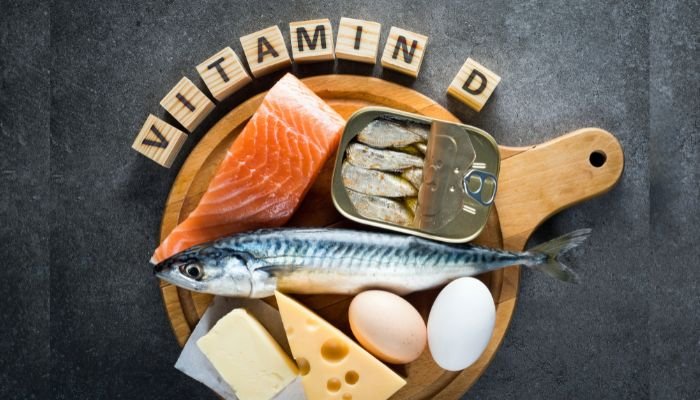
Vitamin D plays a major role in overall health, yet many people do not get enough of it through diet or sunlight alone. The nutrient helps the body absorb calcium, supports immune function, improves muscle strength, and contributes to healthy bones.
Low vitamin D levels have become increasingly common, especially among people who spend most of their time indoors, live in colder climates, or have limited sun exposure. A deficiency can affect energy levels, immunity, and long term health if ignored.
The good news is that adding a few vitamin D rich foods to your daily routine can make a noticeable difference. While not many foods naturally contain high amounts of vitamin D, the available options are easy to include in balanced meals.
Why Vitamin D Is Important
Vitamin D is often linked to bone health because it works closely with calcium to maintain strong bones and teeth. However, its benefits go far beyond that.
The nutrient also supports immune health, muscle function, inflammation control, and blood sugar regulation. Proper vitamin D levels may help reduce the risk of certain health conditions and support overall wellness.
Because vitamin D is fat soluble, the body stores excess amounts instead of removing them immediately. This is why balance matters. Too little can lead to deficiency, while excessive supplementation may cause unwanted side effects.
Best Foods High in Vitamin D
Salmon
Salmon is one of the richest natural sources of vitamin D. Fatty fish like salmon provide a large amount of the nutrient in a relatively small serving.
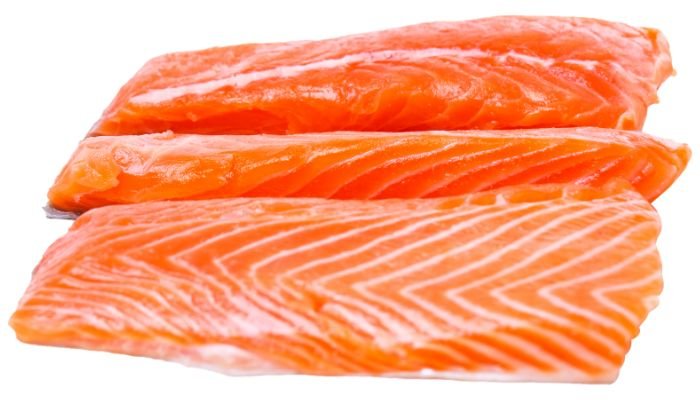
Wild salmon generally contains more vitamin D than farmed salmon because of its natural diet. Besides vitamin D, salmon also provides omega 3 fatty acids and high quality protein, making it one of the healthiest foods for overall nutrition.
Rainbow Trout
Rainbow trout is another excellent fish option for increasing vitamin D intake. A single serving can provide a significant portion of the recommended daily amount.
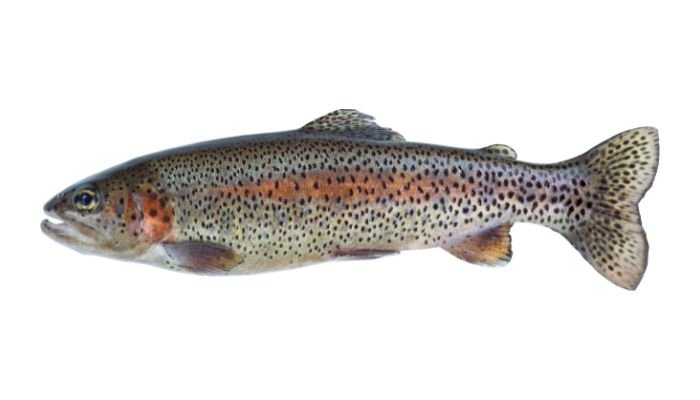
It is also rich in protein, healthy fats, and important minerals that support heart and brain health.
Cod Liver Oil
Cod liver oil has long been recommended for people with vitamin D deficiency. It remains one of the most concentrated dietary sources available.
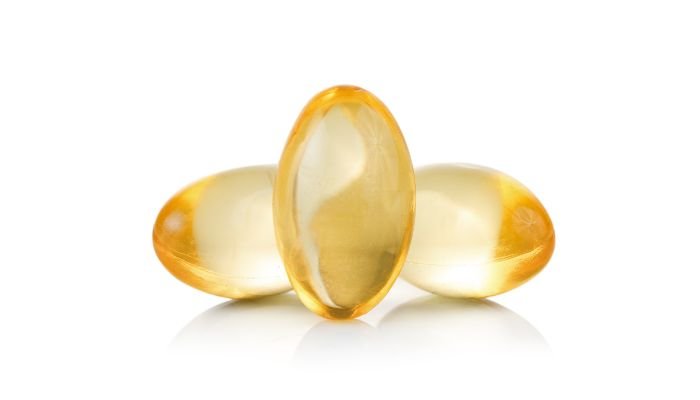
In addition to vitamin D, cod liver oil contains vitamin A and omega 3 fatty acids. Since it is highly concentrated, it should be consumed carefully and in appropriate amounts.
Sardines
Sardines are packed with nutrients despite their small size. They provide vitamin D, calcium, and healthy fats while being relatively affordable and easy to store.
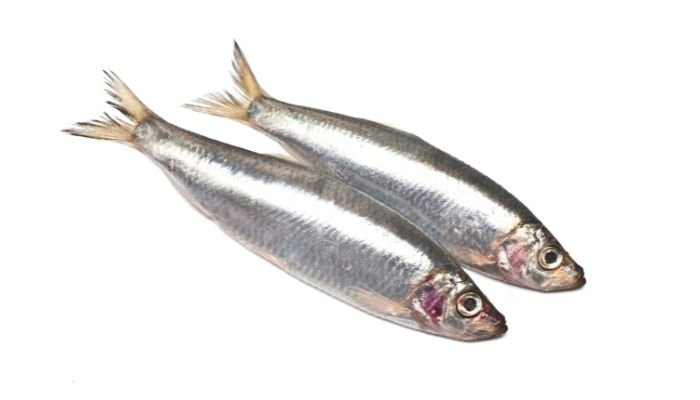
They are often considered one of the best fish choices for nutrient density and can easily be added to salads, sandwiches, or rice dishes.
Egg Yolks
Egg yolks contain moderate amounts of vitamin D and are an easy addition to daily meals. While eggs alone may not meet your daily vitamin D requirements, they contribute to overall intake.
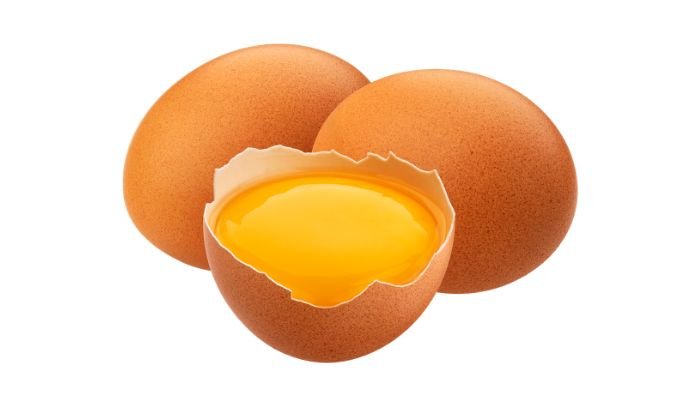
Eggs also provide protein, healthy fats, and important nutrients that support energy and brain function.
Fortified Milk
Milk is commonly fortified with vitamin D, making it one of the most accessible dietary sources.
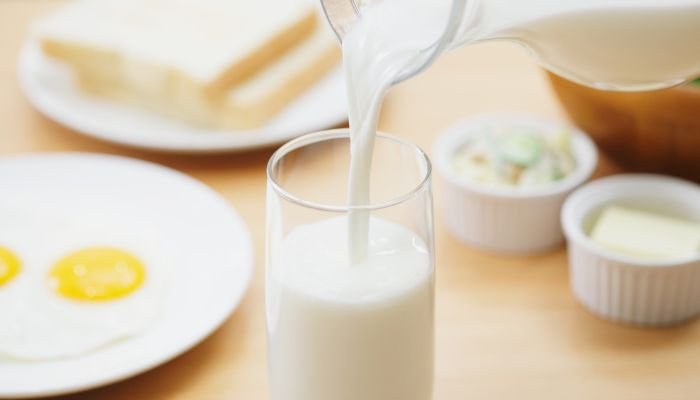
Cow’s milk naturally provides calcium and protein, while fortified plant based options such as almond, soy, and oat milk can also contain similar amounts of vitamin D. The nutritional value often depends more on fortification than the source itself.
You might like reading Kaia Gerber Shows How to Look Undone in the Most Stylish Way Possible
Yogurt
Fortified yogurt offers another convenient way to include vitamin D in your diet. It also supports gut health through probiotics and provides calcium for stronger bones.
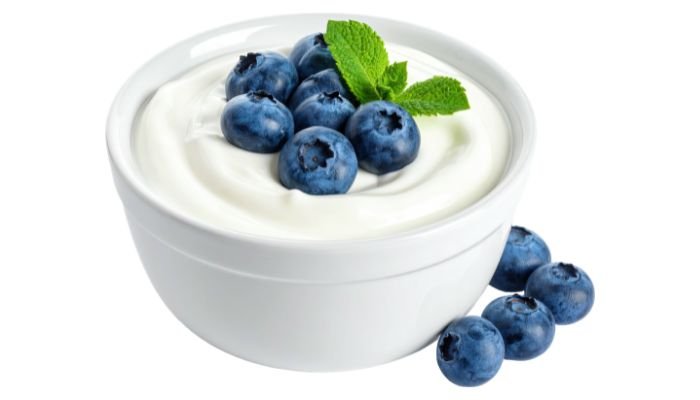
Plain yogurt with minimal added sugar is generally considered the healthier option.
Fortified Orange Juice
Some orange juice products are fortified with vitamin D and can help increase intake, especially for people who do not consume dairy.
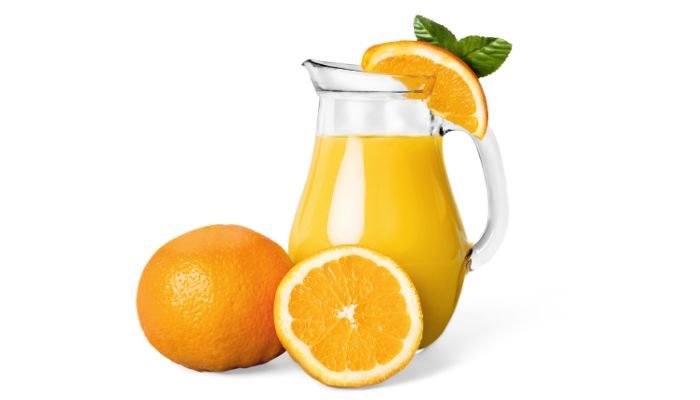
While it does not naturally contain vitamin D, fortified juice can be a useful addition when consumed in moderation.
How Much Vitamin D Do You Need Daily
Daily vitamin D needs vary by age.
- Babies under 1 year generally need around 400 IU
- Most children and adults need about 600 IU
- Adults over 70 usually require around 800 IU
Sun exposure, diet, skin tone, and lifestyle can all affect how much vitamin D the body produces naturally.
Can You Get Enough Vitamin D on a Vegan Diet
Getting enough vitamin D on a vegan diet can be more challenging because most natural sources come from animal products.
However, fortified plant milks, cereals, orange juice, and UV exposed mushrooms can help improve intake. Many people following a vegan lifestyle also rely on supplements when dietary intake is not enough.
Signs of Vitamin D Deficiency
Vitamin D deficiency may develop slowly, making it difficult to recognize early on. Common signs can include:
- Fatigue or low energy
- Muscle weakness
- Frequent illness
- Bone discomfort
- Mood changes
A blood test is usually the most accurate way to determine vitamin D levels.
Should You Take Vitamin D Supplements
Supplements may be helpful for people with confirmed deficiencies or limited sun exposure. However, supplementation should ideally be guided by a healthcare professional.
Taking excessive vitamin D supplements without proper guidance can lead to high calcium levels and other health issues because excess vitamin D stays stored in the body.
For most people, the best approach is a combination of moderate sunlight exposure, a balanced diet, and supplements only when necessary.
Vitamin D is essential for strong bones, healthy muscles, immune support, and overall wellbeing. Since natural food sources are limited, focusing on vitamin D rich foods can help maintain healthier levels over time.
Fatty fish, fortified dairy products, egg yolks, and nutrient rich options like sardines and trout are among the best choices. Combined with sensible sun exposure and balanced nutrition, these foods can support better long term health naturally.